Ottawa proposes permanent immediate expensing; Prime Minister's list names mining property
Finance Canada proposes permanent immediate expensing for most depreciable property acquired on or after September 15, 2026. Mining property is named only in the Prime Minister's release.
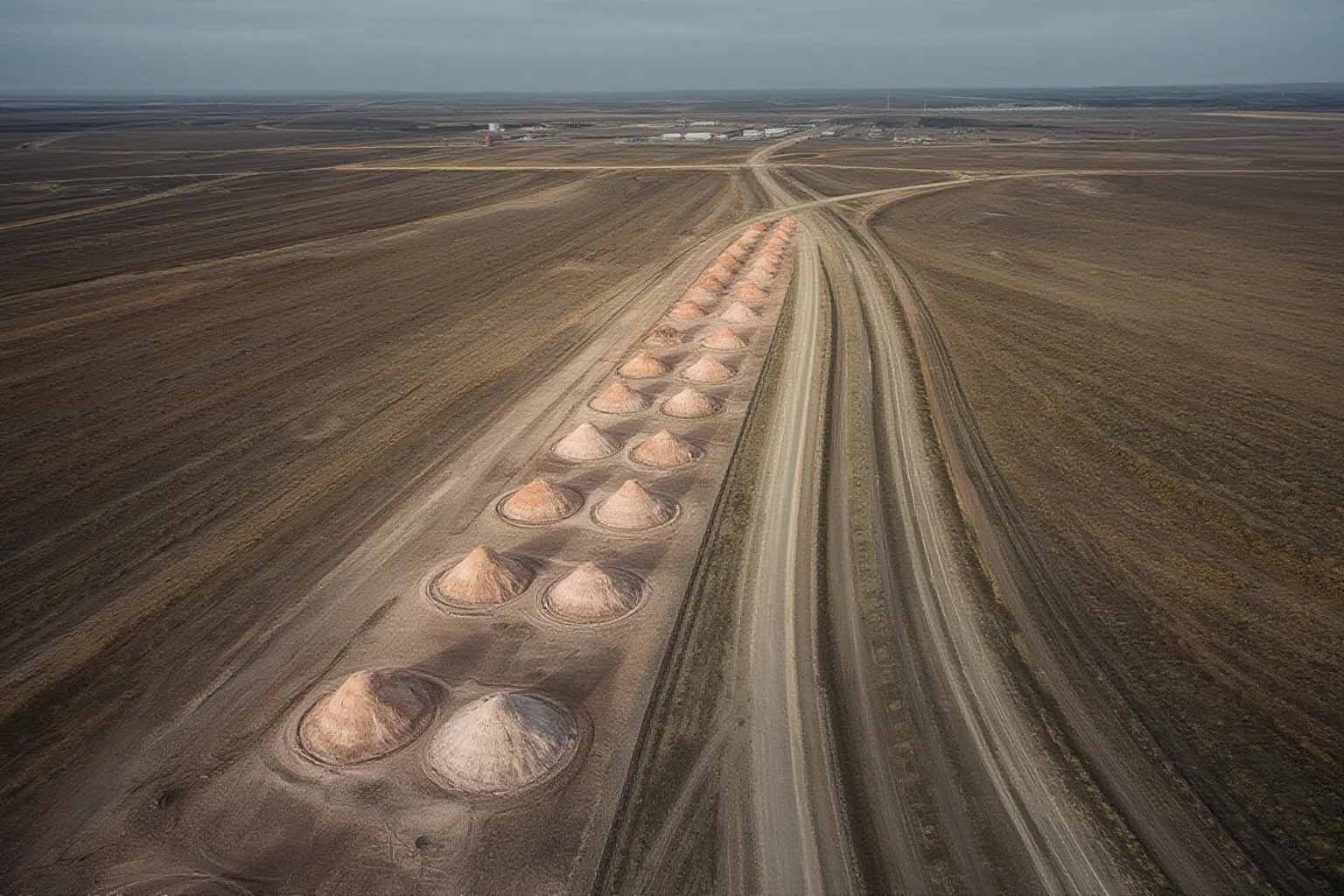 AI illustration
Why this matters: our read
Eligibility here is drawn by capital cost allowance class, not by industry, so the mining reference in the Prime Minister's list reads as an illustration rather than a sector measure. What settles it for a mine is the draft legislation and which classes its buildings and equipment land in.
Finance Canada proposed on September 15, 2026 to make immediate expensing permanent for most depreciable property acquired on or after that date, under its proposed Productivity Mega Deduction. Immediate expensing writes off an investment’s full cost in its first year of use. Finance says Canadian development expenses from that date would also qualify.
The backgrounder sets eligibility by capital cost allowance class and does not mention mining. It excludes buildings in classes 1 and 3, classes 14, 14.1 and 51, some vehicles in classes 10 and 10.1, and property under Schedules V and VI of the regulations. Ineligible property would keep the existing temporary Accelerated Investment Incentive. Finance puts the measure’s whole incremental cost at $36 billion over five years from 2026-27.
The Prime Minister’s release lists mining property among examples such as fibre-optic cable, pipelines and software, and says covered assets would rise from roughly 15% to more than 65%. Finance’s backgrounder points to draft legislative proposals on the Income Tax Act. This is draft legislation, not law.
Sources
- Prime Minister of Canada: Prime Minister Carney introduces new Productivity Mega Deductionprimary source · Published
- Department of Finance Canada: Government of Canada introduces new Productivity Mega Deductionprimary source · Published